Why a Character’s Want Gives a Scene Its Pull
A character’s scene want gives each moment direction. Learn to make it concrete, layer in pressure, and shape a meaningful turn without forcing a tidy ending.
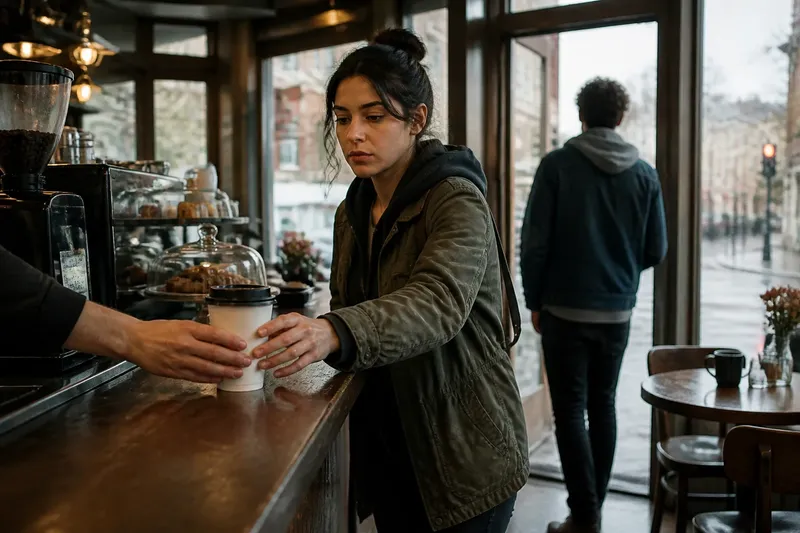
The barista sets a paper cup on the counter, and Mara reaches for it before anyone calls her name. She wants to leave before her brother notices her shaking hand, and the drink gives her a reason to move. A character’s scene want can make an ordinary action matter because it gives the reader something specific to watch for.
That want need not be the character’s deepest desire. It is the immediate thing they are trying to get, keep, avoid, or learn. Its job is not to explain the whole person; it is to make this stretch of the story feel chosen rather than merely observed.
A scene want gives the reader something to watch
“She wants a better life” may explain a larger ambition, but it cannot guide the next moment. “She wants her landlord to sign the repair request before he leaves” gives the character an action and the reader a reason to notice what happens in the room.
A scene can move through attention rather than a string of obstacles. The character watches the landlord reach for his coat, chooses whether to interrupt, then hears him mention a detail that changes what she is willing to ask. Those moments make the pursuit feel specific without turning the scene into a mechanical sequence of resistance and response.
Try putting the immediate want in one plain sentence: “He wants to keep the seat beside him empty.” If the sentence needs a paragraph of explanation, consider what the character could actually do in the room. The deeper meaning can remain complicated; the visible action should be legible.
The immediate want can conceal a deeper desire
A character may want to win an argument while privately fearing that a friend will leave. The near-term aim is what they reach for consciously; the deeper desire may emerge through what they avoid saying, what they notice, or what they risk to get their way.
Keeping the two distinct prevents every scene from becoming a miniature lesson. A character can want a key returned without understanding why handing it over felt like betrayal. Let a pause, an overreaction, or an unexpectedly costly choice hint at the mismatch.
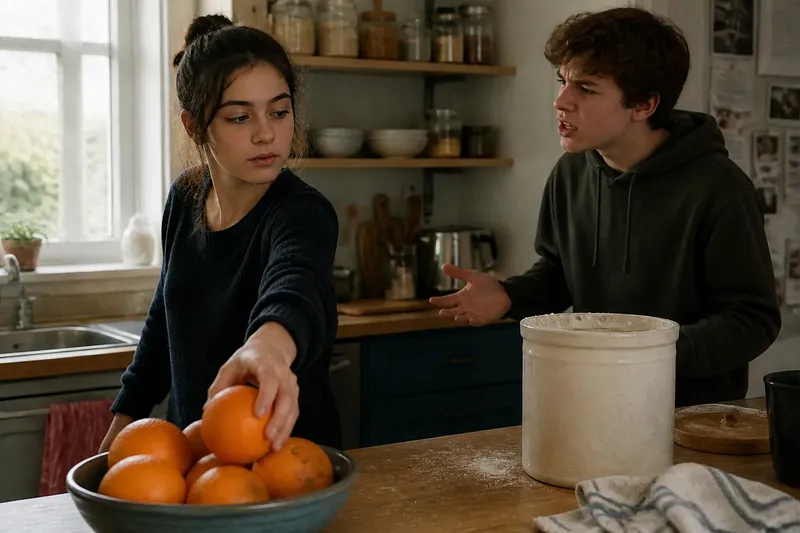
The immediate want can change when a discovery makes the original plan irrelevant. Someone who enters a kitchen to retrieve a coat might find a note on the table and decide to hide it instead. Make the shift grow out of what the character learns or chooses, so it feels like a turn in the scene rather than a change of subject.
Small, concrete wants can hold emotional weight
A scene does not need a dramatic objective to matter. Wanting to sit beside a particular person, keep a conversation brief, or have a drawer left unopened can carry weight if the character has a reason to care and cannot control how others respond.
Compare “she wants approval” with “she wants her father to ask about the drawing she brought.” The second gives the scene an object and a moment of attention to wait for. If he asks about the weather instead, the disappointment is visible without a speech about their entire history.
Ordinary actions can also hide a practical need. A character might ask for a glass of water to collect their thoughts, or because the person holding the pitcher is the one they fear asking for help. Keep the action simple and let the character’s attention carry the extra meaning.
Pressure can reveal what the character values
Pressure does not have to arrive as a villain or sudden crisis. A locked office door, a missing receipt, or a friend who changes the subject can make the character reconsider how much they want the original outcome.
Choose a complication that belongs to the scene’s people and circumstances. If a character wants to leave a family dinner unnoticed, a relative asking them to carry the dessert plate creates an immediate social choice. A surprise storm might delay the departure, but unless weather matters to the story, it may only add noise.
Give the character room to make a meaningful decision. They might risk revealing why they need to leave, accept a new obligation, or decide the original goal is not worth the cost. The point is not to keep the character blocked; it is to show what they choose when the easy route closes.
A scene’s outcome can shift the relationship
Getting the immediate want does not have to settle the scene. The thing the character receives may come with a condition, expose a private concern, or leave someone else feeling overlooked. Failure can also open a new possibility instead of simply closing a door.
Imagine a student wants her older cousin to lend her a jacket before a school performance. The cousin agrees, then asks why she is hiding her costume underneath it. The student can take the jacket and dodge the question, or explain that she fears her family will laugh; either choice changes what the cousins know about each other, though it carries a different cost.
To judge the ending, ask what is different after the character gets, loses, or abandons what they wanted. A new obligation, a disclosed fact, or a small choice can alter the next scene without resolving the character’s larger conflict.
Questions writers ask about a character’s scene want?
How specific should a character’s want be?
Make it specific enough to guide an action the reader can observe. “He wants respect” is broad; “he wants his colleague to credit him in the meeting” gives the scene a clear aim while leaving the meaning of respect open.
Can a character want to avoid something?
Yes. A character may want to keep a visitor from seeing a room, prevent a question, or get through dinner without discussing a decision. Show the avoidance through a tactic, such as changing the subject or standing in a doorway.
What if the character does not know what they want?
They may be unsure about their deeper desire but still want to leave, keep a promise, or get an answer. If even the immediate aim is unclear, let an event force a decision and use the character’s response to reveal what matters right then.
How can a scene keep its outcome uncertain?
Let the reader understand what the character hopes for while keeping the consequences of each available choice alive. A decision with a cost creates uncertainty more cleanly than concealing the character’s aim until the last moment.
Revise for the character’s attention and choices
On revision, read a scene and note what the viewpoint character notices, what they choose to do, and what changes in their understanding or relationships. If the character’s attention never settles on anything, consider whether the scene needs a clearer immediate want. If the scene ends exactly where it began, look for a choice or discovery that could alter its meaning.
Some scenes deliberately favor observation, atmosphere, or a pause in action. The want can be as modest as keeping the quiet for another moment. Knowing what the character would prefer helps you shape the pause without forcing an event into it.
What is not worth the effort is assigning every character a crisp, consciously stated goal in every beat. People can be divided, distracted, or mistaken about their motives. The writer needs enough clarity to shape the scene; the character is allowed to be less clear.
A character’s scene want gives the reader a point of attention, not a promise about how events will end. As you revise, notice what the character chooses to watch, say, or leave unsaid: those details can show the want’s real weight before the character understands it themselves.