How to Write a Letter-Based Story That Keeps Changing Shape
Learn how to write a letter-based story with distinct voices, purposeful gaps, and messages that change the relationship as they arrive.
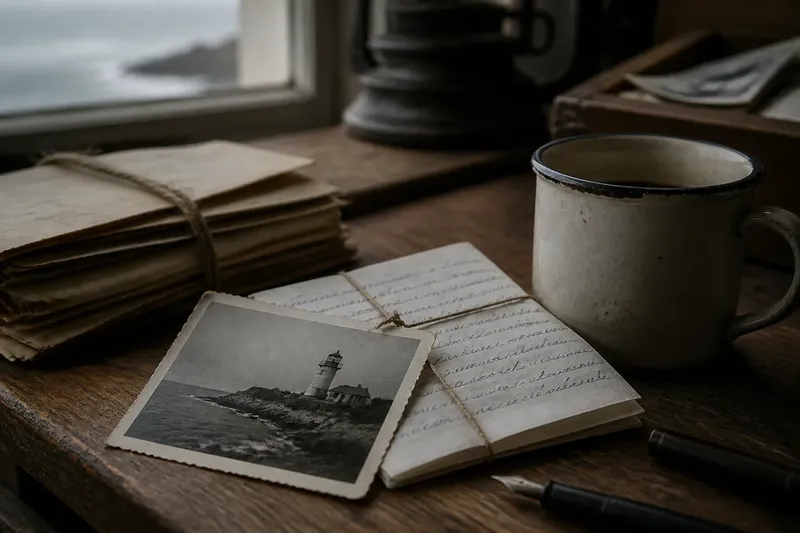
A folded note sits beneath a chipped mug, and the person who finds it recognizes the handwriting before reading a word. That is a useful starting point for a letter-based story: one message has arrived, but its meaning depends on who wrote it, who receives it, and what the page cannot comfortably say.
Rather than treating correspondence as a container for plot, make the act of writing part of the plot. A sender chooses a tone, leaves something out, or waits for an answer; the recipient may reply, refuse, or misunderstand. Each document should alter the relationship in a way that could not happen in quite the same form through ordinary narration.
Build the story around a reason to write
A letter earns its place when speaking aloud is impossible, risky, or insufficient. The sender may be separated from the recipient, unable to face them, trying to create a record, or seeking the privacy of a message that can be read alone. Choose a reason that presses on the characters rather than merely supplying stationery.
Write one private sentence naming what the sender wants from this particular message: help, forgiveness, a reply, or a chance to control how an event is remembered. Then ask why the sender chose writing over a conversation. If meeting would be easier and safer, make the written form matter in a specific way: perhaps the sender can revise a confession, or the recipient can keep the message and return to it.
Make each voice fit its writer and audience
A correspondent writes to someone specific, not to a general reader. Let shared references stay brief when the recipient would understand them, and avoid having characters explain their history in unnatural detail. The reader can follow the scene through what the recipient notices, questions, or refuses to answer.
Give each writer distinct habits of attention. One might mention dates, tools, and practical arrangements; another might notice a pause in conversation or the way a familiar room has changed. Sentence rhythm and formality can shift too, especially under pressure, but small choices should grow from temperament and circumstance rather than a collection of verbal quirks.
Imagine a retired lighthouse keeper writing to a niece who believes her mother left by choice. The keeper wants to correct her, but fears admitting his own part in the departure. He begins with a note about a box of photographs, then identifies one image that contradicts the niece’s account; the expected result is a reply focused on the photograph, while his indirect opening leaves the deeper confession unresolved.
Let the medium shape what can be said
A message may be forwarded, intercepted, read aloud, saved, or found long after it was written. Decide what the sender expects about privacy, then let that expectation influence the language. Names may be avoided, accusations softened into questions, or an ordinary detail used as cover.
Not every story needs codes or elaborate concealment. A change in address can do plenty: someone who usually uses a nickname may switch to a formal name, making the distance audible without spelling it out. For digital correspondence, consider the rules of the medium—who can see a thread, whether a draft is sent, and how quickly a reply is expected.
Physical details should affect the scene rather than decorate it. A note on the back of a grocery receipt might suggest haste or a desire to make the message look harmless; an unopened envelope might tell the recipient that the sender’s words have not yet been faced. Pick details that change how a message is handled or understood.
Give every document a different job
Sketch the sequence before drafting every letter. For each one, note the sender’s immediate aim, the recipient’s likely response, and what changes in the relationship by the end. This focuses revision on character and consequence, rather than turning every message into a fresh container for backstory.
- Opening message: If it gives the recipient a clear reason to answer, keep that invitation; if it only explains the premise, give the sender a more personal request or remove it.
- Reply: If it responds to what was actually written, preserve the connection; if it seems to answer a different conversation, add a brief reference or revise the response.
- Unexpected disclosure: If the new detail changes a character’s choice, keep it; if it changes nothing, connect it to a decision or cut it.
- Delayed answer: If the delay creates a concern the characters recognize, let that concern affect the next message; if nobody notices, shorten the wait or clarify its consequence.
- Changed tone: If a shift in formality or warmth signals a changed relationship, retain it; if it reads as accidental inconsistency, adjust the wording or establish the reason.
- Final document: If it leaves the recipient with a real choice or obligation, keep the ending open; if it simply repeats earlier information, replace it with a consequential response.
These jobs can overlap, and a short exchange may need only a few documents. The useful test is simple: after each one, has a character acted, reconsidered, or lost an option? If not, change the document’s purpose or remove it.
Make silence and delivery part of the relationship
A missing reply can suggest fear, anger, illness, or a message that never arrived, but silence needs a context the characters can recognize. Establish a delivery problem, show a sender waiting, or let a later note mention the unanswered question. Otherwise, a pause may look like a gap in the manuscript rather than a choice with emotional weight.
Timing also shapes what a recipient can do. A letter that arrives after a decision may turn regret into the central conflict; one that arrives beforehand may give the recipient a chance to intervene. Check the order of sending and arrival, especially when a reply depends on earlier news.
Revise the letter-based story for clarity and movement
Imagine you have drafted three messages: Mara asks her brother Ellis to return a key, Ellis replies that he has already mailed it, and Mara writes again after discovering the key still in the desk. First, mark the action each message causes: a request, a claim, then a contradiction. Next, decide whether the reader can tell why Ellis said the key was sent; if not, give his reply a specific motive, such as wanting Mara to stop searching the desk. Finally, check that Mara’s last message changes what she will do—perhaps she asks him to meet rather than continuing to trade explanations. The exchange now turns on a choice, not just the key’s location.
How much backstory should a letter include?
Include the context the recipient needs to understand the message’s immediate purpose. Let shared references remain compact, then add context when a later document changes their meaning.
How can one writer sound different from another?
Give each correspondent different habits of attention, sentence rhythms, and levels of formality. Let those choices respond to personality and pressure rather than assigning each person a decorative catchphrase.
Can a story use letters from only one person?
Yes, if the absent recipient still shapes what the writer says. The writer can anticipate objections, interpret silence, or revise a confession for someone who may never answer.
When should a letter be removed?
Remove it if it repeats known information and leaves the relationship unchanged. Keep it if its wording, timing, or handling alters what a character can decide, even without a dramatic revelation.
Keep the reader oriented without explaining everything
Read each message first as its recipient, then as someone following the story from outside the correspondence. Check that the response fits the words actually sent, and that the sequence makes the characters’ changing choices legible without spelling out every private reference.
Then check names, dates, delivery order, and objects that travel between correspondents. If a later message answers an earlier one, make sure it could have arrived in time. A small continuity slip can make deliberate silence seem accidental.
Elaborate handwriting styles, vintage paper, and postal rituals are not worth the effort unless they affect what can be read, preserved, or believed. The more useful craft choice is to make each message sound like something its writer would send to this recipient at this moment. That is what makes a letter-based story feel less like a bundle of documents and more like a relationship changing on the page.